
French travel phrases
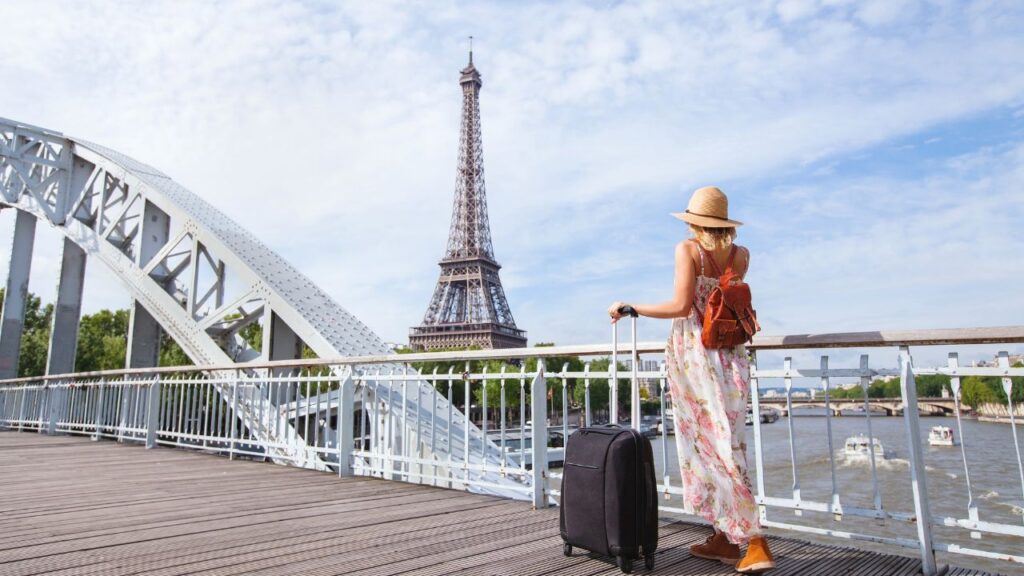
Traveling through the charming streets of France, sipping on a café au lait, or admiring the artistry of the Louvre becomes more enriching when you can exchange a few words with the locals. Learning French travel phrases can be the key to unlocking a deeper connection with the culture and making your journey unforgettable.
- What are French travel phrases and why are they important?
- How can learning basic French phrases enhance your travel experience?
- What are some common French travel phrases for greetings and introductions?
- How do you use French travel phrases when ordering food?
- What are practical French travel phrases for asking for directions?
- How can you use French travel phrases to navigate transportation?
- What are useful French travel phrases for emergencies and health situations?
- FAQ
What are French travel phrases and why are they important?
French travel phrases are essential tools for any traveler looking to navigate through French-speaking countries with ease. They are the building blocks of basic communication, allowing you to interact with locals, show respect for their language, and enhance your travel experience. From ordering a croissant to asking for directions to the nearest metro station, knowing these phrases can transform your trip from a standard tour into a personal adventure through French culture.
Speaking the local language, even at a rudimentary level, shows an appreciation for the culture and often leads to warmer receptions and richer interactions. Whether you're asking for the best wine at a Parisian bistro or greeting a shopkeeper in Provence, the effort to speak French is always well-received.
Moreover, understanding the basics can also be a practical asset in navigating transportation, dining, and handling unexpected situations, making your travels smoother and more enjoyable.
How can learning basic French phrases enhance your travel experience?
Learning basic French phrases with pronunciation guides can immensely improve your trip. Imagine confidently stepping into a quaint bookshop in Montmartre, greeting the owner with a friendly "Bonjour" and asking for a book recommendation. Such simple interactions can lead to discovering hidden gems and local favorites.
When you use French travel phrases, you immerse yourself in the local environment, going beyond the role of an observer to become an active participant in the everyday life of the community. This immersion fosters a deeper understanding of local customs and traditions, enriching your travel narrative.
Furthermore, the ability to communicate can be incredibly helpful in practical situations, such as finding a restroom or explaining a food allergy. It can reduce stress and confusion, allowing you to focus on enjoying the beautiful moments that travel brings.
What are some common French travel phrases for greetings and introductions?
- Bonjour (Good day)
- Bonsoir (Good evening)
- Je m'appelle... (My name is...)
- Enchanté(e) (Nice to meet you)
- Comment ça va? (How are you?)
Greetings and introductions are the cornerstones of polite conversation. In France, it is customary to greet someone before asking for help or information. A simple "Bonjour" can set the tone for a positive interaction, and using polite titles such as "Monsieur" or "Madame" is always appreciated.
When meeting someone for the first time, "Je m'appelle..." followed by your name is a friendly way to introduce yourself. Always remember to shake hands or, in more familiar settings, to cheek kiss, which is a common greeting practice among the French.
How do you use French travel phrases when ordering food?
French cuisine is a pivotal aspect of the country's heritage, and ordering food is an art in itself. Using French travel phrases for dining can enhance this experience. Begin with "Je voudrais..." (I would like...) to order your meal, and don't forget to say "S'il vous plaît" (Please) as a sign of politeness.
A helpful phrase when choosing a meal is "Que recommandez-vous?" (What do you recommend?), which can lead to delightful culinary discoveries. If you have dietary restrictions, "Je suis végétarien" (I am vegetarian) or "Je suis allergique à..." (I am allergic to...) are important phrases to know.
After your meal, expressing satisfaction with "C'était délicieux" (It was delicious) and thanking your server with a warm "Merci, au revoir" (Thank you, goodbye) are courteous ways to end your dining experience.
What are practical French travel phrases for asking for directions?
When venturing through the meandering alleys and boulevards of France, knowing how to ask for directions is vital. "Excusez-moi, où est..." (Excuse me, where is...) followed by your destination, can help you find your way. For example, "Où est la gare?" (Where is the train station?) is a common question that can help you navigate transportation hubs.
If you're looking for a specific place, "Je cherche..." (I am looking for...) can be a useful start. It may also be helpful to know phrases like "À gauche" (To the left), "À droite" (To the right), and "Tout droit" (Straight ahead) to understand the given directions.
In case you don't fully understand the explanation, "Pouvez-vous me montrer sur la carte?" (Can you show me on the map?) can be a saving grace. And don't forget "Merci beaucoup" (Thank you very much) to express gratitude for the help received.
Understanding the basics of the French language can transform your transportation experience from confusing to smooth. "Où est l'arrêt de bus?" (Where is the bus stop?) or "Quand part le prochain train pour..." (When does the next train leave for...) are phrases that can assist you in staying on schedule.
When buying tickets, "Un billet pour..." (A ticket to...) is essential, along with specifying the type of ticket you need, such as "aller-retour" (round-trip) or "première classe" (first class).
In taxis, communicating your destination with "Je vais à..." (I am going to...) and discussing the fare with "Combien coûte..." (How much does... cost?) before the ride begins can prevent any misunderstandings.
What are useful French travel phrases for emergencies and health situations?
Emergencies can happen, and being prepared with the right phrases can make all the difference. "Au secours!" (Help!) is the universal call for immediate attention, while "Appellez une ambulance" (Call an ambulance) is specific to medical emergencies.
If you need to visit a pharmacy, "Je cherche une pharmacie" (I am looking for a pharmacy) is useful, followed by "J'ai mal ici" (It hurts here) while pointing to the affected area. For more serious concerns, "Où est l'hôpital?" (Where is the hospital?) is a critical question.
In any case of difficulty, stating "Je ne parle pas bien français" (I do not speak French well) can prompt others to speak more slowly or find someone who can communicate in English.
FAQ
What is the best French quote about travel?
One profound French quote about travel comes from the writer Anatole France: "Wandering re-establishes the original harmony which once existed between man and the universe." This quote reflects the idea that travel can be a transformative experience, aligning us with the world around us.
Which French phrase means "good journey"?
The phrase "Bon voyage" is the French way to wish someone a "good journey." It's commonly used to bid farewell and good luck to someone embarking on a trip.
What French phrase means "have a nice trip"?
Similar to "Bon voyage," saying "Passez un bon voyage" conveys the sentiment of "have a nice trip" in French, offering a friendly send-off to travelers.
What to say to someone visiting France?
To someone visiting France, you might say, "Profitez de votre séjour!" which means "Enjoy your stay!" It's a warm way to wish travelers a pleasant and memorable experience.
As you prepare for your journey through the enchanting cities and countryside of France, remember that a few well-chosen French travel phrases can unlock doors to hidden gems and meaningful connections. Bon voyage!

Related content