
Learn French for travel
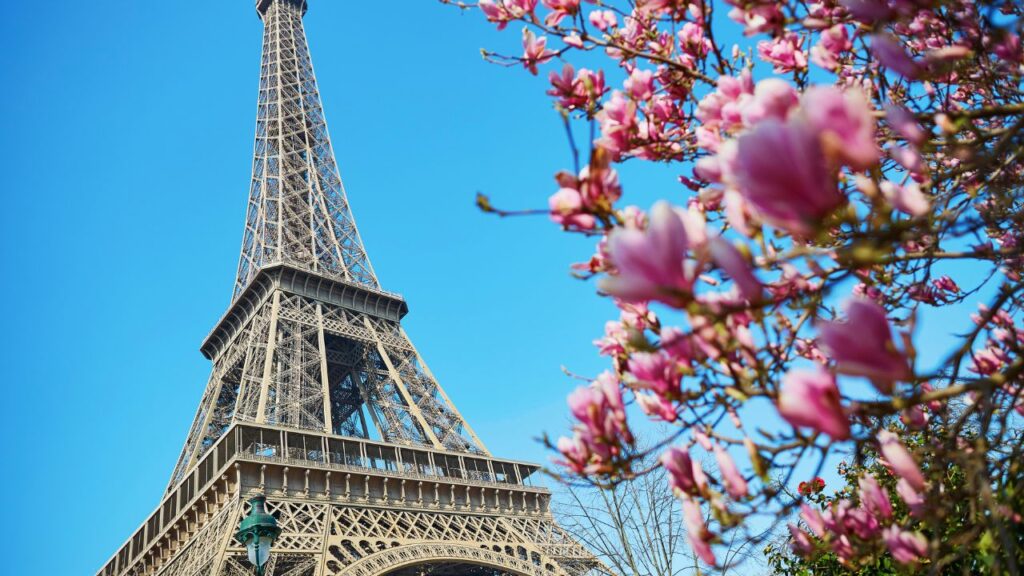
Learning French can greatly enhance your travel experiences, allowing you to connect with locals and navigate through French-speaking countries more easily. This guide offers insights into essential phrases, useful resources, and effective strategies to help you learn French for travel efficiently.
- What are the basic French phrases every traveler should know?
- How can you effectively learn French for travel?
- What are the best resources to learn French for travel?
- How long does it take to learn basic French for travel?
- What are some tips for practicing French while traveling?
- Why is learning French important for travelers?
- FAQ
What are the basic French phrases every traveler should know?
Knowing basic French phrases can make a huge difference in your travel experience. Here are some essential phrases that every traveler should master:
- Bonjour - Hello
- Merci - Thank you
- S'il vous plaît - Please
- Excusez-moi - Excuse me
- Où est…? - Where is…?
- Combien ça coûte? - How much does it cost?
These phrases can help you navigate everyday situations like ordering food, asking for directions, or shopping. It's important to practice pronunciation as well, as it shows respect for the French language and culture.
In addition to greetings, travelers should also learn specific phrases related to dining and transportation. Knowing how to order food in a restaurant or inquire about train schedules can be incredibly beneficial.
Engaging in conversations using these phrases can also lead to deeper interactions with locals, making your travel experience more enriching.
How can you effectively learn French for travel?
Effectively learning French for travel involves a combination of strategies and tools. Here are some tips to get you started:
- Consistent practice: Allocate a specific time each day to practice your French. Short, daily sessions can be more effective than longer, infrequent study periods.
- Use language-learning apps: Consider using a learn French for travel app like Duolingo or Babbel. These apps provide structured lessons and interactive exercises that make learning engaging.
- Join a local class: If possible, enroll in a French language class. In-person instruction can provide valuable speaking practice and immediate feedback.
- Engage with media: Watch French movies or listen to French music. This helps in improving your listening skills and familiarizes you with the pronunciation and rhythm of the language.
- Speak with natives: If you have the chance, converse with French speakers. Practicing with natives can enhance your fluency and confidence.
By integrating a variety of learning methods, you can cater to different aspects of language acquisition, making the process both effective and enjoyable.
What are the best resources to learn French for travel?
There are numerous resources available online to help you learn French for travel online free. Some highly recommended resources include:
- Pimsleur: This audio-based program focuses on conversational skills, making it ideal for travelers.
- Duolingo: A gamified learning platform that is great for beginners.
- Babbel: Offers specific courses tailored to travel scenarios, making it a practical choice.
- WordReference: A useful dictionary and language forum for quick translations and pronunciation help.
These resources vary in their approaches, catering to different learning styles. Whether you prefer structured lessons or casual practice, there's something for everyone.
Additionally, consider utilizing French language podcasts or YouTube channels that focus on travel vocabulary and practical phrases. This can enhance your listening skills and provide context for the language.
How long does it take to learn basic French for travel?
The time it takes to learn basic French can vary depending on several factors, including your prior language experience and the amount of time you dedicate to practice. Generally, many learners can achieve basic proficiency within a few months.
If you study consistently for about 30 minutes a day, you can expect to grasp essential phrases within 3 to 6 months. This timeframe allows you to familiarize yourself with practical vocabulary and develop confidence in speaking.
Moreover, immersing yourself in the language by engaging with native speakers or traveling to French-speaking countries can accelerate your learning process. Remember, the more you practice, the quicker you will become comfortable with the language.
What are some tips for practicing French while traveling?
Practicing French while traveling is one of the best ways to enhance your language skills. Here are some effective tips:
- Use French in everyday situations: Whenever possible, communicate in French, whether it's ordering at a café or asking for directions.
- Carry a phrasebook: Having a small phrasebook can be handy for quick reference and can help you remember essential phrases.
- Join local tours: Participate in tours conducted in French. This not only improves your language skills but also deepens your understanding of French culture and history.
- Engage with locals: Don't be shy! Initiate conversations with locals. Most people appreciate the effort and are willing to help.
- Take notes: Jot down new words or phrases you hear during your travels. You can review them later to reinforce your learning.
These practical tips encourage you to use your language skills actively, which is crucial for reinforcing learning and building confidence.
Why is learning French important for travelers?
Learning French is not just about mastering another language; it’s a gateway to understanding French culture and connecting with its people. Here’s why it's essential:
- Cultural immersion: Speaking the language allows you to engage more deeply with local customs, traditions, and lifestyles. This enhances your overall travel experience.
- Better interactions: Knowing French can lead to friendlier interactions with locals. Many people appreciate when travelers attempt to speak their language, often resulting in more positive experiences.
- Access to information: Much travel information, including signs, menus, and guides, is often available only in French. Understanding the language gives you a clearer understanding of your surroundings.
- Increased confidence: Being able to communicate in French boosts your confidence, making you more comfortable exploring new places.
By learning French, you not only enhance your travel experiences but also show respect for the culture, which can lead to richer connections during your journey.
FAQ
What is the best program to learn French for travel?
The best program to learn French for travel often depends on individual learning preferences. For many, apps like Duolingo and Babbel provide a great balance of structure and flexibility. These platforms focus on practical vocabulary and conversational skills tailored for travelers. Additionally, Pimsleur is highly regarded for its audio lessons that emphasize speaking and listening, making it an excellent choice for those who prefer auditory learning.
How long does it take to learn French for travel?
Typically, it takes about 3 to 6 months of consistent study to learn basic French for travel. This timeframe allows you to become familiar with essential phrases and vocabulary. The key to learning efficiently is regular practice, which can be achieved through apps, classes, or immersion experiences while traveling.
What French to know when traveling?
When traveling, it's crucial to know essential phrases that cover common situations. Key vocabulary includes greetings, polite expressions, and phrases related to dining, transportation, and directions. For example, phrases like "Où est le métro?" (Where is the subway?) and "L'addition, s'il vous plaît" (The bill, please) can significantly enhance your ability to navigate daily interactions.
Can I learn French in 3 months?
While achieving full fluency in three months is unlikely, it's certainly possible to learn basic conversational skills within that timeframe. With dedicated practice and relevant resources, you can familiarize yourself with essential phrases and vocabulary that will help you communicate effectively while traveling in French-speaking regions.

Related content